
Clinically reviewed by Geoffrey Peal, Psy.D., Licensed Psychologist | Last updated August 20, 2026 | Family Psychology Associates has served Tampa Bay since 1992.
Trauma is far more common than it has historically been acknowledged. National epidemiologic data summarized by the U.S. Department of Veterans Affairs National Center for PTSD indicates that roughly 6% of U.S. adults will experience PTSD at some point in their lives, and a substantially larger portion of the population experiences significant traumatic events without ever developing the full PTSD syndrome. Many people carry the effects of trauma for years before they get a clear name for what they are dealing with.
Trauma is any experience, acute or prolonged, in which safety, physical integrity, or emotional integrity was threatened or violated. That includes single-incident events like an assault, an accident, or a medical emergency. It also includes sustained exposures like chronic childhood adversity, intimate partner abuse, caregiving in high-stress medical settings, and complex losses. The effects do not always look like the textbook PTSD presentation. They can look like anxiety, depression, chronic pain, disordered eating, sleep problems, relationship difficulty, emotional numbing, or an ongoing sense that something is off that you cannot quite name.
What Trauma Actually Looks Like
In our offices, trauma often arrives in other clothing. A client comes in for panic attacks and, on history, describes a medical event in their 20s that they never thought of as traumatic. A parent seeks help for postpartum anxiety and turns out to be carrying unprocessed grief and birth trauma. A high-functioning professional describes decades of emotional distance in relationships that traces back to a childhood home shaped by alcoholism or unpredictable caregiving. An adolescent presents with school refusal and somatic complaints, and under careful history a specific incident or pattern of bullying emerges as the trigger.
Post-traumatic stress symptoms can include intrusive memories or thoughts about the event, flashbacks, nightmares, avoidance of reminders, hyperarousal, exaggerated startle response, emotional numbing, difficulty concentrating, changes in core beliefs about safety or self-worth, and physical reactions to triggers. Children often show these symptoms as behavior changes, play patterns, sleep disturbance, regression, or school difficulties rather than through direct verbal reporting. Complex trauma, which develops from prolonged or repeated exposure particularly in early life, can also affect identity, emotion regulation, and the capacity to form trusting relationships.
What We See in Our Trauma Caseload
Three patterns stand out right now. Adults coming in for “anxiety” or “depression” whose fuller clinical picture is trauma that was never named or addressed, sometimes because the original events were in childhood and never felt like a big deal. Medical trauma, including difficult birth experiences, ICU stays, cancer treatment, and cardiac events, where patients have been told the physical recovery is complete but something is still not right. And clients who have done good trauma work in the past, gotten symptom relief, and are returning for deeper work on the identity, relational, and meaning-making consequences that the first round did not reach.
We also see a steady number of first responders, healthcare workers, and educators whose trauma exposure is cumulative rather than event-based. This kind of secondary and operational trauma gets named less often than it should. When it is addressed directly, these clients tend to respond well because they often have strong internal resources already in place.
A population that frequently goes under-served is older adults with historical trauma that was never processed, sometimes because the clinical framework for trauma did not exist when the events happened. We have worked with clients in their 60s, 70s, and 80s who are processing childhood abuse, military service experiences, or historical losses for the first time, and the work is often transformative.
How We Treat Trauma at FPA
Trauma work is paced. We start with a careful assessment to understand what happened, what you are currently carrying, and what your resources are. Before any direct processing of traumatic material, we establish stabilization, grounding skills, and a working relationship. Only then do we move into memory processing. Evidence-based approaches our clinicians use include the following:
- Trauma-Focused Cognitive Behavioral Therapy (TF-CBT). The first-line evidence-based treatment for children and adolescents who have experienced trauma. A structured, parent-involved protocol.
- EMDR (Eye Movement Desensitization and Reprocessing). A well-researched protocol for single-incident and complex trauma in which bilateral stimulation is paired with structured attention to traumatic memories, allowing the memory to integrate without the original emotional charge.
- Prolonged Exposure (PE). An evidence-based CBT protocol for PTSD that works by gradually approaching trauma memories and trauma reminders in a safe, structured way, reducing avoidance and allowing the fear response to process.
- Cognitive Processing Therapy (CPT). An evidence-based CBT protocol for PTSD focused on identifying and working with the stuck beliefs that trauma often creates about safety, trust, self-worth, and the meaning of what happened.
- Somatic and body-based approaches. For trauma that is held in the body as tension, dysregulation, or dissociation, we incorporate grounding, breath, and body-aware practices alongside the cognitive work.
- Internal Family Systems (IFS)-informed work. A parts-based approach that is particularly useful for complex trauma, dissociation, and the internal conflicts that often accompany long-standing trauma. At FPA this work is provided by Dexter Rogers, LMHC, who integrates IFS with mindfulness-based interventions and DBT skills.
- Mindfulness and self-compassion practices. For clients whose trauma has left a legacy of self-criticism or emotional numbing, structured self-compassion practices are often the entry point to the deeper work.
Clinicians Who Specialize in Trauma


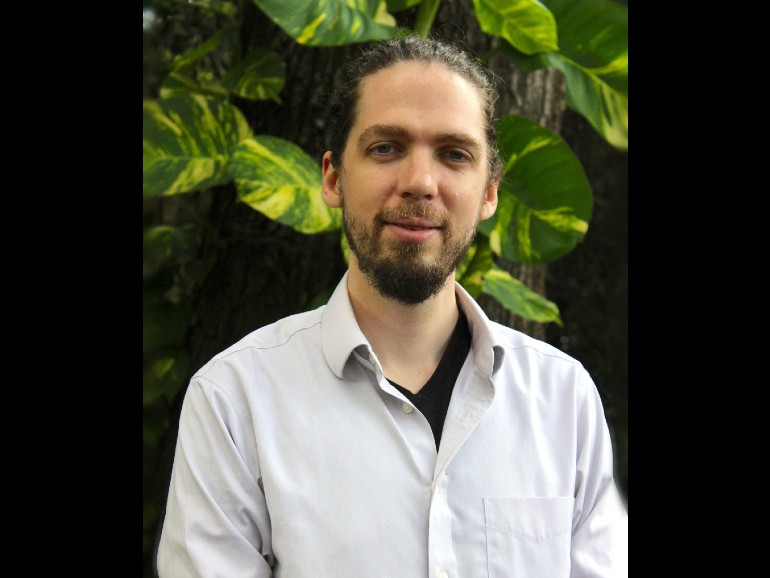

Clinicians at FPA with particular depth in trauma treatment include Lisa Averoff, LMHC, Christine Bergman, LMHC, Dexter Rogers, LMHC, and Millie Williams, LCSW. These clinicians hold advanced training in trauma-specific approaches including EMDR, TF-CBT, and IFS-informed work. Several other FPA clinicians work with trauma as part of a broader caseload. Our intake team matches you to the clinician whose training and availability fit your situation.
Frequently Asked Questions About Trauma Treatment
Do I have to talk about the worst details to do trauma therapy?
No. Effective trauma treatment does not require you to relive or describe the worst moments in detail. Most modern trauma protocols, including EMDR and parts-based work, involve much less verbal recounting than older approaches did. Your clinician will pace the work with you.
How long does trauma treatment take?
Single-incident trauma often responds in 12 to 20 sessions of an evidence-based protocol. Complex trauma, childhood trauma, and trauma with significant co-occurring conditions typically takes longer, often involving an extended stabilization phase before direct memory work.
I already have anxiety or depression. Is this still the right page?
Often yes. Anxiety and depression are two of the most common ways trauma shows up. A careful assessment helps sort out which is the primary driver and what sequencing of treatment will work best.
Do you treat children and teens for trauma?
Yes. Several of our clinicians have specific training in TF-CBT and other child- and adolescent-focused trauma protocols. Family involvement is almost always part of the work.
What is EMDR and who is it right for?
EMDR is a well-researched protocol in which bilateral stimulation (typically eye movements) is paired with structured attention to traumatic memories. It tends to work well for adults with single-incident trauma and is also used in adapted form for complex trauma. Our EMDR-trained clinicians will evaluate fit with you.
Do you offer telehealth for trauma work?
Yes. Many of our trauma clinicians provide telehealth visits. Certain components of trauma work are adapted for telehealth, and your clinician will discuss what is appropriate for your specific situation.
Do you accept insurance?
Several of our clinicians are paneled with major plans, and others are out-of-network. Our intake team will review your plan before scheduling.
Related Services at FPA
Trauma frequently co-occurs with other concerns. You may also want to look at our pages on EMDR therapy, anxiety treatment, depression, postpartum therapy, relationship counseling, teen therapy, young adult therapy, and health and wellness.
Where We See Clients
Family Psychology Associates provides trauma-focused care at our offices in St. Petersburg, Safety Harbor, and Trinity, as well as by telehealth throughout Florida. We work with clients across the lifespan, from children through older adults. To request an appointment, visit our Contact Us page.
Our Clinical Standards
Every clinician at Family Psychology Associates holds a current Florida state license as a licensed psychologist, mental health counselor, or clinical social worker. Our trauma clinicians hold advanced post-graduate training in trauma-specific protocols, including EMDR, TF-CBT, and IFS-informed approaches. Content on this page reflects clinical approaches currently used by our practice and is reviewed by FPA’s clinical leadership. It is for general educational purposes and is not a substitute for individualized clinical consultation.
If you are in crisis, experiencing thoughts of harming yourself, or in immediate danger, please call or text 988 (the Suicide and Crisis Lifeline), go to your nearest emergency room, or call 911. For domestic violence support, the National Domestic Violence Hotline is available 24/7 at 1-800-799-7233.